Sourcing8 min
Ten questions to ask before you import limestone
Buying limestone direct from an overseas quarry removes a layer of margin, but it also removes a layer of hand-holding. Here is what to ask before you commit.
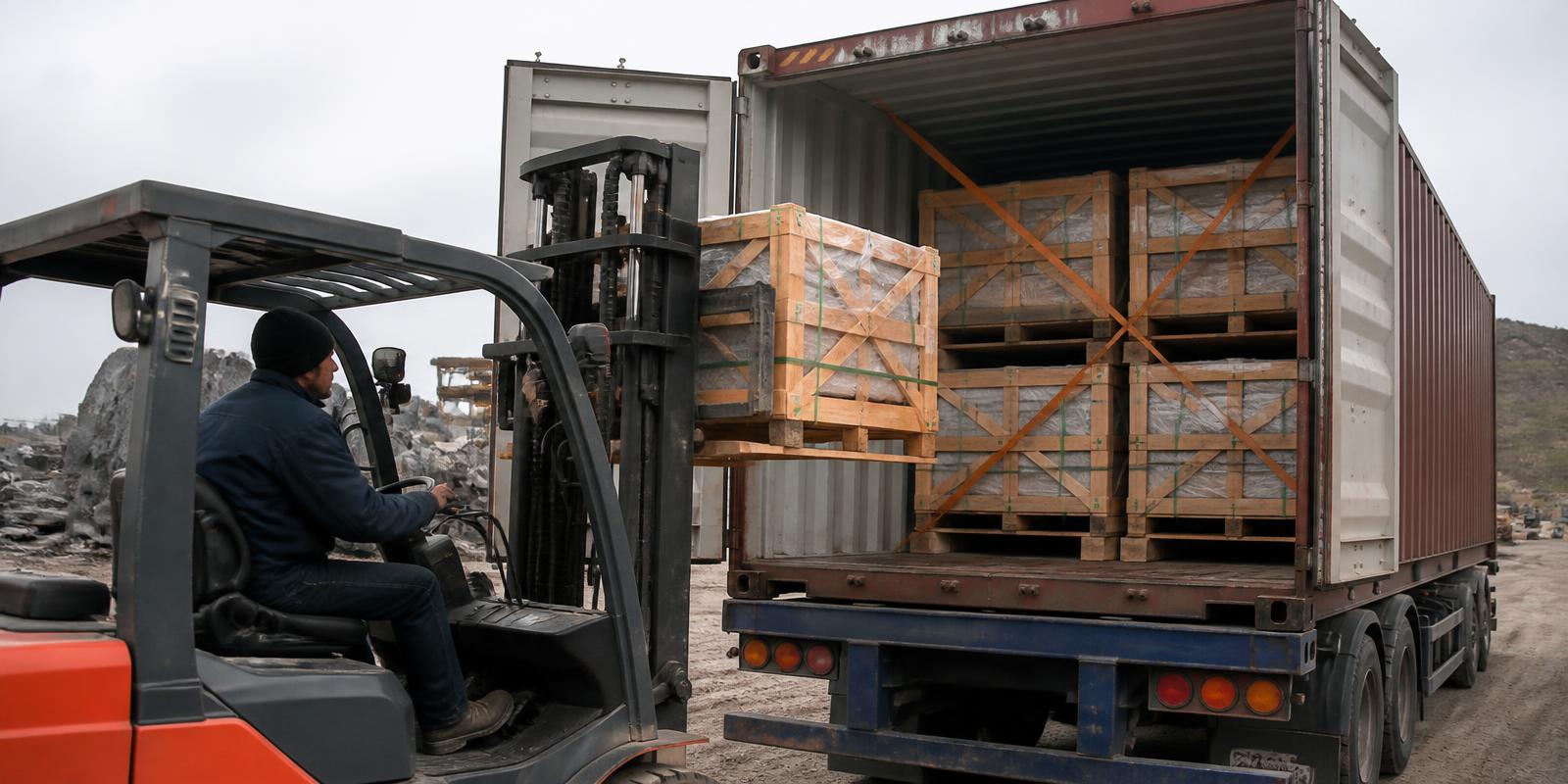
Direct sourcing shifts risk as well as margin
Buying limestone direct from a quarry rather than through a UK-based intermediary removes a layer of margin from the supply chain, which is usually the whole point of doing it. It also removes a layer of hand-holding: an intermediary who has already vetted a supplier, held stock in the UK, and dealt with a container that arrived with breakages is doing real work, and a merchant taking that step themselves needs to ask the questions that role would otherwise have asked.
None of the questions below are specific to any one supplier or country. They apply to sourcing any natural stone direct from an overseas quarry, and a supplier who answers them clearly and specifically, rather than in general reassurances, is usually the one worth doing business with.
About the material itself
Ask exactly where the stone comes from — which quarry, which bed or seam, and whether that location is consistent across the order or blended from more than one source. Colour and texture can vary meaningfully between beds even within the same named stone type.
Ask what finishing happens where. Is the stone cut, honed and polished at the quarry or a separate yard, and does that yard belong to the same business or a third party. This affects both quality control and how quickly a query about a specific batch can actually be resolved.
Ask whether any independent test data exists for the specific batch on offer, not the stone type in general, and ask to see it rather than take a verbal description of it. If no testing has been done yet, a straightforward supplier will say so rather than quote industry-typical figures as though they were their own.
About consistency and quantity
Ask how much of the ordered stone the supplier can actually deliver from a consistent source, and over what timeframe, particularly for a phased project where later deliveries need to match earlier ones. Natural stone varies bed to bed, and a supplier who cannot speak to this honestly is more likely to substitute material later in a job without flagging it.
Ask what the minimum order quantity is and why it is set where it is. A minimum tied to a genuine production run — cutting and packing a specific size and finish combination economically — is a different thing from an arbitrary number designed to discourage small enquiries.
About packing, shipping and documentation
Ask how the stone will be packed for the specific journey involved: crate construction, internal protection between pieces, and how breakages in transit are handled commercially. Sea freight over several weeks is a different proposition from a short domestic delivery, and packing that is adequate for one is not necessarily adequate for the other.
Ask what documentation accompanies the shipment — commercial invoice, packing list, certificate of origin, and any product-specific paperwork relevant to the destination market. Ask specifically whether any technical or compliance certificate quoted matches the actual batch being shipped, not a generic range document.
Ask about Incoterms, payment terms and realistic lead times in plain language rather than assuming a standard applies. Terms vary between suppliers and should be confirmed in writing before an order is placed rather than inferred from a website.
About the relationship, not just the transaction
Ask what happens if a container arrives with a genuine quality problem — cracked pieces, a colour mismatch, a shortfall against the packing list. A supplier's answer to this question, before any money has changed hands, tells a merchant more about how the relationship will actually work than any marketing material.
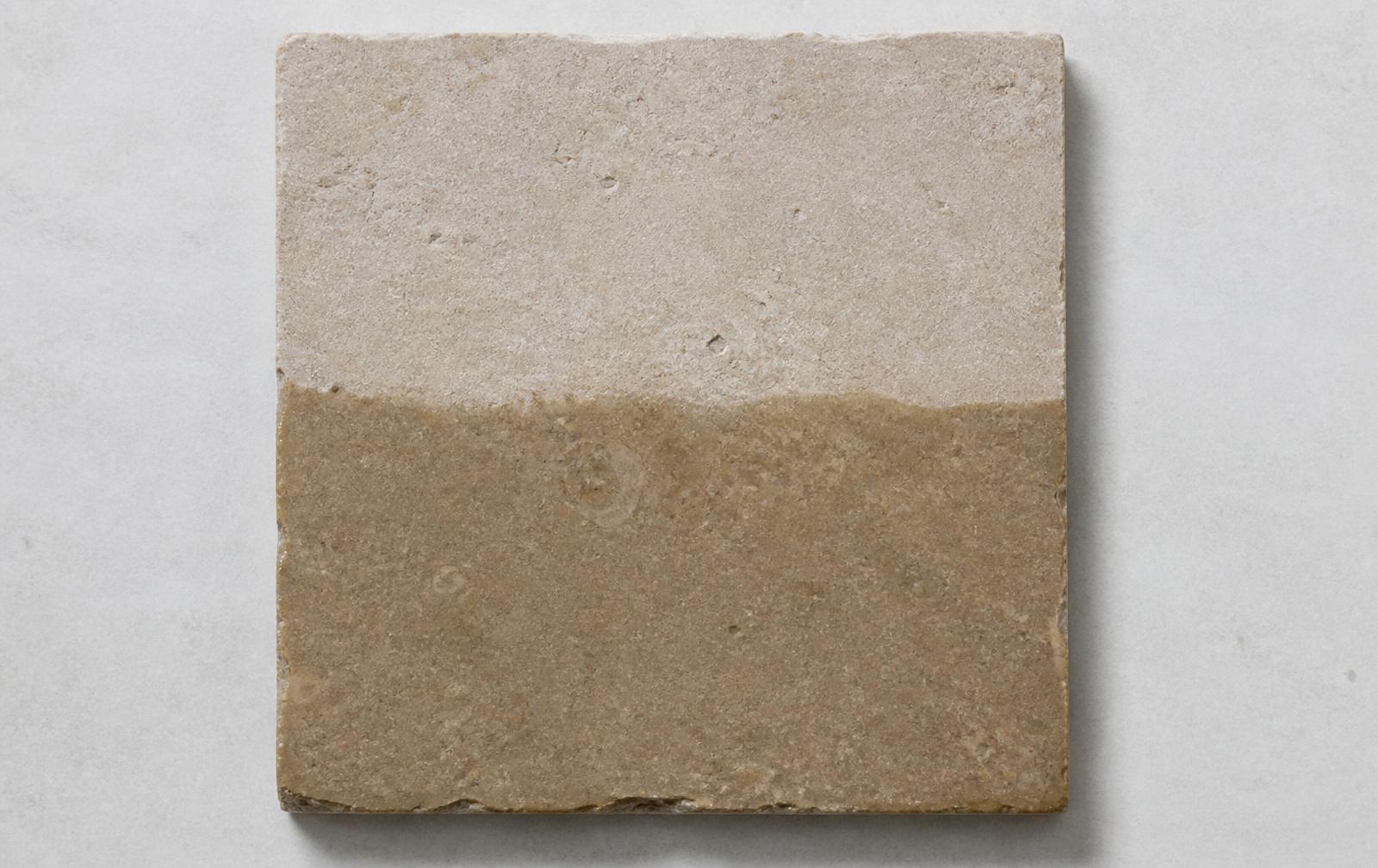
Ask for a sample, and compare it honestly against what turns up in a container later. A single showroom sample can be the best piece in a quarry; a container is a cross-section of an actual batch. The two should look similar, not identical, and a supplier who understands that distinction is easier to work with long term.
Key takeaways
- Ask which specific quarry bed the stone comes from and whether the order will be sourced consistently from it.
- Ask to see independent test data for the actual batch on offer, not a generic figure for the stone type.
- Ask how packing is matched to the specific journey, and what documentation will accompany the shipment.
- Ask what happens if a container arrives with a genuine problem, before placing the order, not after.
More from the journal
Related stones and reading
Ask us these questions directly
Quotations available to your nearest port or delivered to your yard, on request.